
Hotel Booking Marketing: How U.S. Agencies Get More Direct Reservations
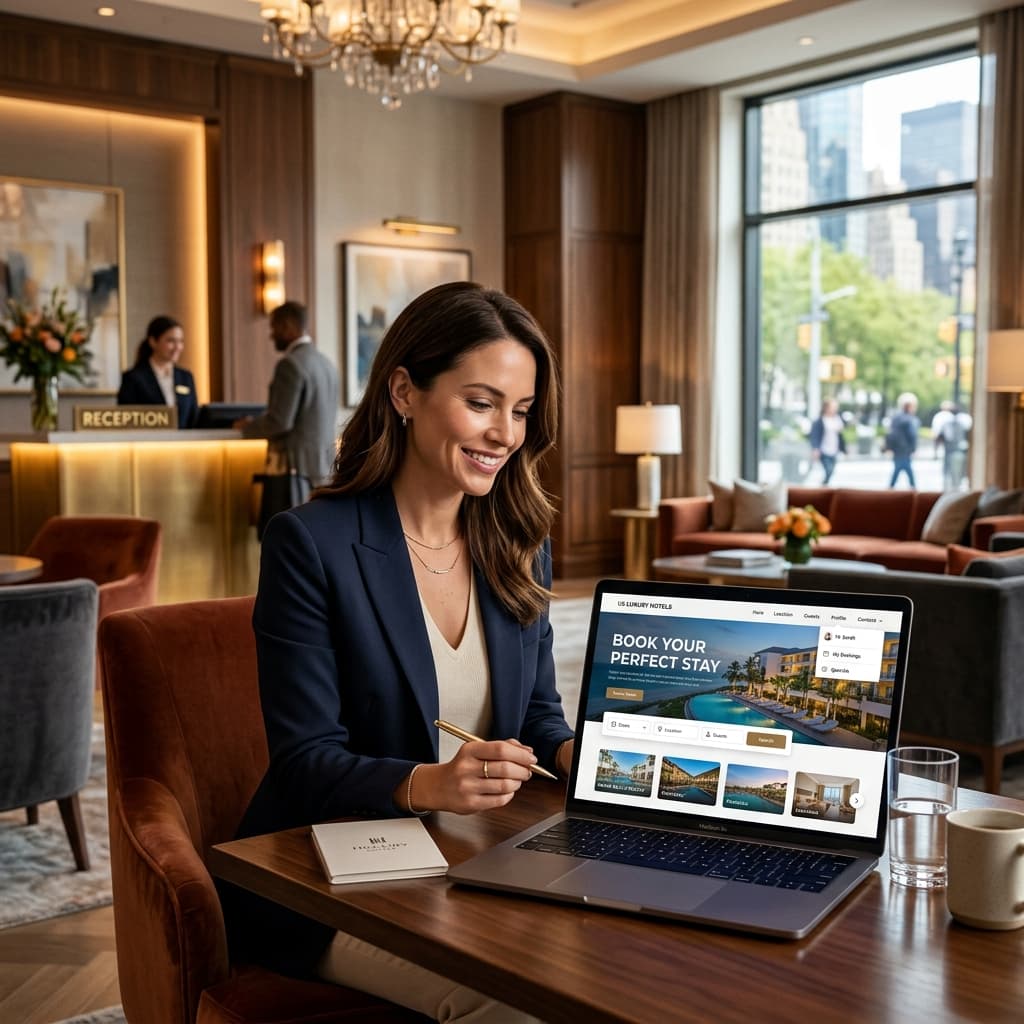
In the battle for hotel reservations, Online Travel Agencies (OTAs) often act as both a blessing and a heavy commission burden. For U.S. hotel agencies and independent hoteliers, the goal isn't just to fill rooms—it's to fill them directly. The direct booking revolution relies on intercepting guests while they are planning, offering them distinct value, and enabling a seamless transition from search engine to reservation agent via highly effective Pay-Per-Call marketing.
The OTA Paradox in the U.S. Market
The "Billboard Effect" Opportunity
Most U.S. travelers use OTAs for discovery but prefer booking direct if they believe they are getting a better rate or exclusive perks. A prominent, trackable phone number on your landing page can convert this hesitation into a secured reservation.
Deploying Targeted Pay-Per-Call for Hotels
- Hyper-Local Mobile Search: 70% of last-minute bookings happen on mobile devices. Optimizing for 'hotels near me' with click-to-call buttons ensures immediate connection.
- Exclusive Call-Only Rates: Use ad copy that promotes 'Call for unlisted rates' or 'Call for free room upgrades.'
- Group & Corporate Bookings: These high-value reservations rarely happen via standard web forms. Phone routing designed specifically for corporate accounts guarantees high conversion rates.
💡 Pro Tip
The strategies outlined in this article are based on industry best practices and proven results. Implement them systematically for maximum impact on your campaigns.
Structuring the Perfect Caller Experience
"The front desk is for guest experience. The reservations line is for sales. Agencies that separate the two see an immediate 20-30% lift in their direct booking conversions."
Tracking, Attribution, and Retargeting
Overcoming the Margin Squeeze
The Cost of Complacency
Hotels that rely entirely on OTAs are essentially renting their guests. True ownership of the customer data and lifecycle only happens when the booking occurs directly on your platform or over your phone lines.
Pre-Arrival Personalization
Key Takeaways
- 1The "Billboard Effect" allows hotels to capture direct bookings from users who originally searched on OTAs.
- 2Phone reservations generally yield higher Average Daily Rates (ADR) and lower cancellation percentages.
- 3Incentivizing callers with 'unlisted' rates or exclusive perks significantly boosts inbound call volume.
- 4Marketing calls must bypass the front desk and connect directly with trained sales agents.
- 5Utilizing DNI ensures every dollar spent on paid search is strictly accounted for and optimized.
Conclusion
Reclaiming revenue from OTAs is the primary objective for hospitality marketing in the U.S. By capitalizing on mobile search behavior and deploying robust Pay-Per-Call campaigns, agencies can drive direct, high-value reservations. The secret lies in making the phone ring and ensuring there is a seasoned sales professional waiting on the other end to close the deal.
MutualCall
Content Strategist & Marketing Expert